
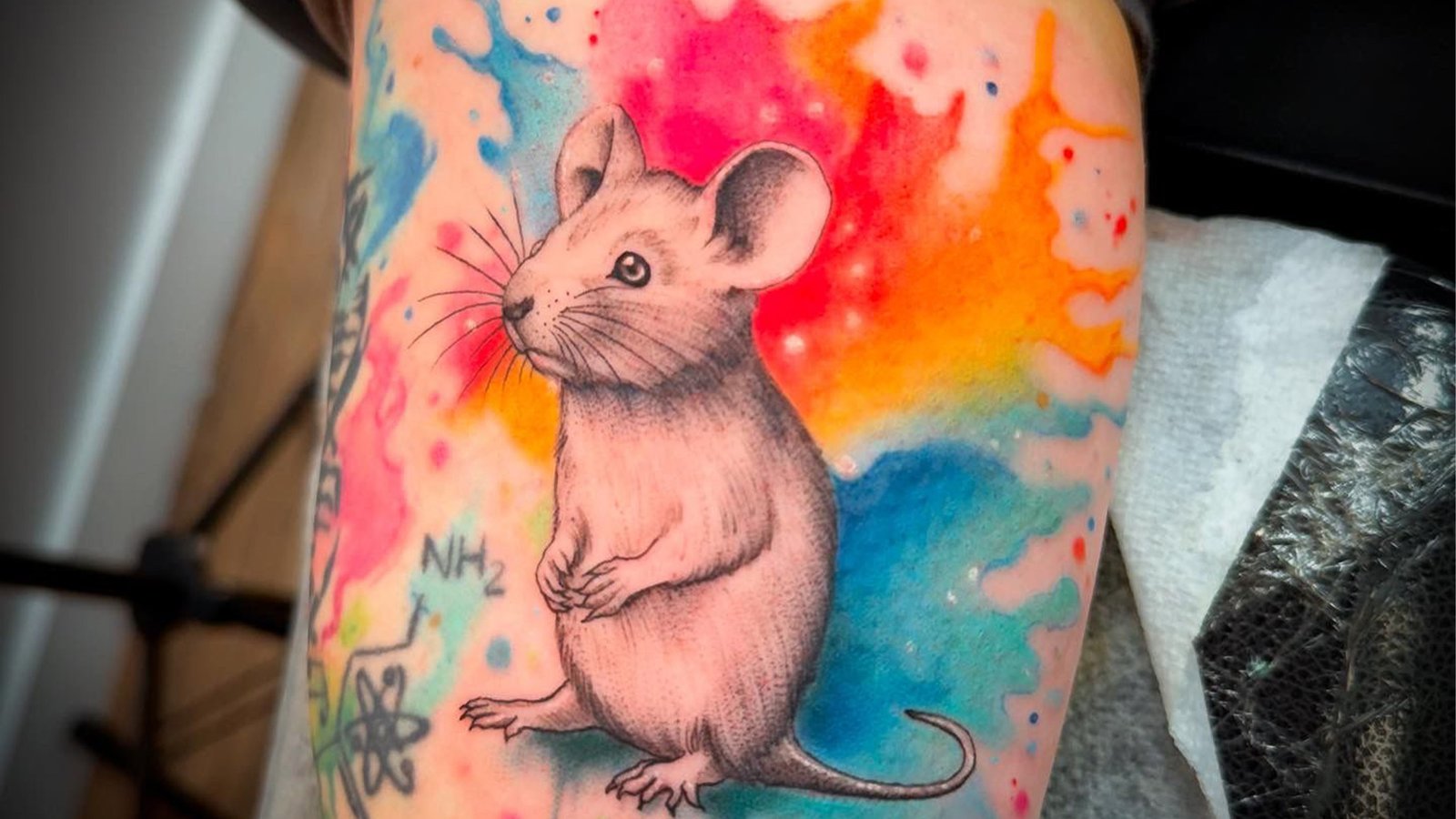
In the daily routine of a studio here in the Boston area, the conversation almost always starts the same way. A client walks in with a beautiful design, looks at the chair, and asks the inevitable question: “So, how much is this actually going to hurt?” It is a completely valid concern. Whether you are getting your first piece in Danvers or adding to a collection started in the heart of the city, understanding the relationship between your anatomy and the needle is essential for a successful experience.
Choosing the right spot for your tattoo is a strategic decision. It requires balancing your personal pain threshold with the technical reality of how skin ages and moves. Consequently, making an informed choice ensures that you not only survive the session but end up with a piece of art that looks incredible for decades.
The Pain Map: From “Walk in the Park” to Extreme Sensitivity
While everyone experiences pain differently, human anatomy provides a very reliable roadmap. Generally speaking, areas with more muscle density and thicker skin tend to be more manageable. Conversely, regions where the skin is thin or sits directly over bone will naturally be more sensitive.
- Low Intensity Zones: The outer arm, lateral forearm, and thighs are the gold standard for a comfortable experience. These areas have enough padding to dull the sensation of the needle.
- Moderate Intensity Zones: Shoulders, the outer calf, and the upper back. While you will certainly feel the vibration, most people find these spots very manageable for longer sessions.
- High Intensity Zones: The ribs, stomach, and the inner “ditch” of the arm or knee. These areas are rich in nerve endings and require a bit more mental focus.
- Extreme Sensitivity Zones: Feet, hands, the neck, and directly along the spine. These spots are for the dedicated, as the lack of cushion makes the sensation much more acute.
In fact, recent data from the Pew Research Center indicates that about 32% of adults in the U.S. have at least one tattoo. Interestingly, the vast majority of these individuals report that the discomfort was either exactly what they expected or even less intense than they had feared. This suggests that while the “sting” is real, it is rarely a dealbreaker when you are in the hands of a professional.
Why Placement Matters for the Life of Your Art
It is vital to remember that your body is a moving canvas, not a flat sheet of paper. As artists, we have to consider how your skin stretches and contracts. A tattoo placed too close to a high-motion joint, such as the wrist or elbow, is subject to constant friction and faster cell turnover.
Furthermore, environmental factors in New England play a role. Our skin goes through a lot between the humid summers and the harsh, dry winters. Areas frequently exposed to the sun will see pigment breakdown much faster than protected areas. If you are opting for the delicate, precise work of a fine line tattoo—a specialty we take great pride in at Simmer Tattoo—choosing a “stable” patch of skin is the best way to ensure those crisp lines don’t blur prematurely.
The Science of the Sting
The variation in pain is not just “all in your head.” It is a biological reality. Different parts of your body have varying densities of nociceptors (pain receptors). For instance, your armpit or the back of your knee has a high concentration of these receptors as an evolutionary defense mechanism to protect vital areas.
However, the industry has evolved significantly. Modern rotary machines and high-precision needle cartridges cause far less trauma to the dermo-epidermal junction than the equipment used twenty years ago. Additionally, your physical state on the day of the appointment is a huge factor. Being well-hydrated and having a solid meal beforehand allows your nervous system to better manage the release of endorphins, which are your body’s natural painkillers.
How to Choose Your Ideal Placement
To ensure you are making a choice you will be happy with five or ten years down the road, consider this checklist:
- Body Dynamics: Look in the mirror and move. Does the muscle movement distort the design in a way you don’t like?
- Healing Environment: If your job requires heavy lifting or constant movement of a specific limb, that might not be the best place for a fresh wound to heal during the first two weeks.
- Future Plans: If you eventually want a full sleeve or a back piece, make sure your new tattoo doesn’t “landlock” a prime piece of real estate.
Ultimately, the discomfort of the process is temporary, but the art is a permanent expression of your story. By prioritizing the right location over the “easiest” one, you are investing in the quality and longevity of your ink.
If you are ready to plan your next piece and want expert advice on the best placement for your skin type and lifestyle, take a look at the portfolio at simmertattoo.com. Whether you are looking for bold work or intricate fine line, we are here to help you navigate the process from the first sketch to the final heal. Shall we get started on your design?